



The medieval town of Lož
The settlement of Lož began to develop at the foot of Lož Castle in 1341. The expansion of the fairground, trade, and crafts, along with the associated privileges, contributed to the development of a fortified market town. To prevent the devastation caused to the town by Turkish raids, the Habsburg Emperor Frederick III elevated it to a free princely city in 1477. The town of Lož remained an important administrative centre until the end of the 19th and the beginning of the 20th century. Lož was burned down during the Second World War. The old urban layout, a small preserved section of the defensive wall, and the town coat of arms – which has been adopted by the current Municipality of Loška dolina – still remind us of the times of the medieval city.
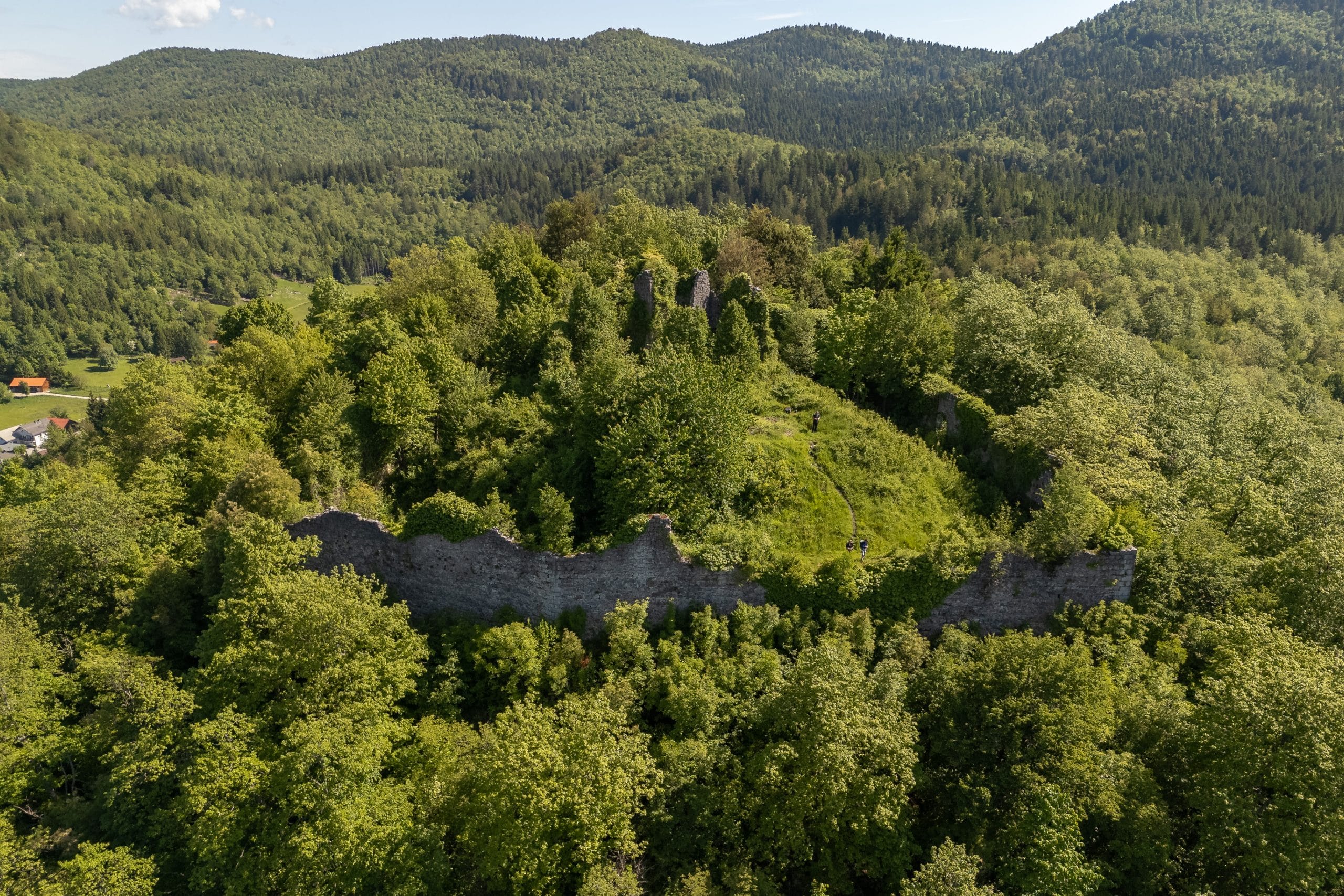
Lož Castle
Lož Castle was built in the middle of the 12th century by the Patriarchs of Aquileia on a 698 metre high hill above the current settlement of Lož. It was first mentioned in written sources in 1244 as castrum Los, and later also as schloss Laass. From the middle of the 16th century onwards, it was no longer permanently inhabited and slowly fell into ruin. Of the once mighty fortified complex, today mainly the remains of the double perimeter walls are preserved, in which arrow slits and chutes for pouring pitch are still visible. The Romanesque castle core consists of the remains of a residential house and the central castle defensive tower. The castle ruins can be reached by following a marked path.
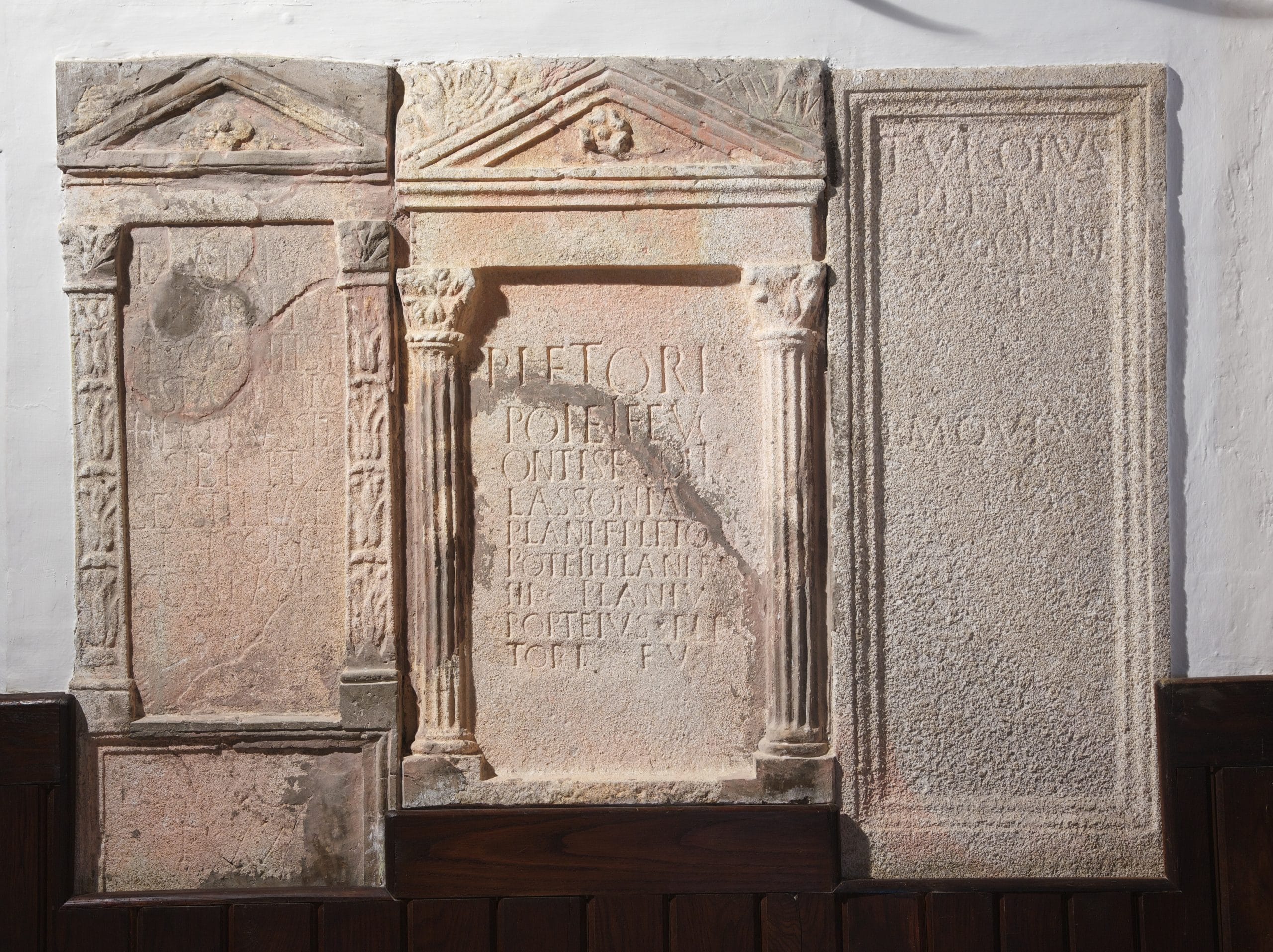
Archaeological sites
Križna gora and Ulaka are the most important of the numerous archaeological sites. The oldest objects found date from the end of the Bronze Age and the beginning of the Early Iron Age (9th–4th century BC). At least as early as the beginning of the 1st century BC, the inhabitants of the valley came into contact with the Romans and their goods. The roads on the edge of the basin became of great importance for the Roman Empire; the pass towards Babno Polje was supposedly controlled by a military fortress on Nadleški hrib. During this time, a settlement also emerged in Šmarata (late 4th century), where an interpretative board about the archaeological heritage of Loška dolina was erected by the Church of St. Margaret as part of the Loška dolina Heritage Trail.
Roman barrier wall
Sistem zidov in kastelov, imenovan Claustra Alpium Iuliarum, naj bi od 3. st. dalje na pomembnih strateških točkah zaščitil rimski imperij pred vpadi sosednjih ljudstev. Del zidu je v bližini Babnega Polja potekal po današnji državni meji med Republiko Slovenijo in Republiko Hrvaško. Ob še vidnih delih kamnitega zidu stoji razlagalna tabla, do katere vas bodo po gozdnih poteh pripeljali smerokazi ‘claustra’.

Mills and sawmills along the Obrh stream
During the boom of milling and sawmilling at the turn of the 19th and 20th centuries, there were 11 estates in Loška dolina with a water-powered mill and/or sawmill. They ground wheat, maize, buckwheat, as well as oats, barley, and millet for the inhabitants of the villages in Loška dolina, Babno Polje, and even Prezid, while in the stamps (traditional mortars), they husked barley into pearl barley and millet into porridge. Mills in this area are mentioned in written sources as early as the 11th century; the first naming dates back to 1425 for a mill in Koča vas. The last water-powered mill to operate in Loška dolina was ‘Beli malen’ in Markovec in 1983. A Venetian sawmill is still operational at the Bajer estate, where a mill can also be visited.

Koča vas Manor
Koča vas Manor was built in the 16th century by the Barons Haller. It first entered Slovenian literary history with noble correspondence in the Slovenian language from the end of the 17th century, and for a second time in 1933 and 1934, when the poet Oton Župančič sought peace and inspiration at the manor. In Koča vas, Župančič’s poetry cycle Med ostrnicami (Among the Ostrnice) was created. During the time of the last owners, the Schollmayer-Lichtenberg family, a rich archive with a library was formed in the castle; what remained was moved after the Second World War to the National and University Library in Ljubljana and the Archives of the Republic of Slovenia. After the war, the manor no longer served its original purpose. At first, it was a home for the disabled, later converted into workers’ apartments, and now it is slowly collapsing into itself.

Stari trg pri Ložu
Stari trg pri Ložu is the administrative and cultural centre of the Municipality of Loška dolina. The tradition of settlement in this area dates back to prehistoric times. In written sources, the town was first mentioned in 1237 and was originally called Lož. With the establishment of a new settlement (for security reasons and water supply) under Lož Castle in 1341, the new settlement took over the name, while the old settlement was named Stari trg, first mentioned in written sources in 1384 in the German form Altenmarckt.

Masonry wells
Masonry wells from the end of the 19th century with a weighted swing drive are the only ones of their kind in Slovenia and represent exceptional technical heritage One stands right next to the main road at the beginning of Stari trg, and the other by the road in the upper part of Lož.

Stone bridges
In Loška dolina, several stone bridges were built across the Obrh stream as early as the 19th century. The largest, a five-arch bridge, is in Vrhnika; the most famous is the bridge at Renkoči in Markovec, as it was allegedly built by the French in 1810; the most hidden is the bridge in Skadulca; the most frequently flooded is certainly the bridge in Šmarata; and the most prestigious is the bridge across which one drives from the village of Kozarišče towards Snežnik Castle.

The Rapallo Border
After the First World War, the border between the Kingdom of SCS (from 1929 the Kingdom of Yugoslavia) and the Kingdom of Italy cut across the Snežnik–Javorniki plateau. The newly established border, also known as the Rapallo border, profoundly marked the lives of the people, and smuggling flourished. The Italians built new road connections and fortified the border with numerous military facilities (bunkers, barracks) that remain visible today. In the 1930s, the Rupnik Line of defence was created on the territory of the Kingdom of Yugoslavia, which can be followed in the eastern part of Loška dolina.

Slovenian Partisan Military Hospital Snežnik
The Slovenian Partisan Military Hospital Snežnik operated in the Snežnik mountains with intermittent breaks from the summer of 1942 to April 1945 as a system of hospital outposts. It was the third-largest partisan hospital in Slovenia. A monument and an explanatory board stand at Županov laz, and memorial plaques are placed at the locations of the former hospital buildings.

Nadlesk Airfield
Nadlesk Airfield (code: Piccadilly Club) was the first Allied airfield on Slovenian soil during the Second World War. In the summer of 1944, the airfield served for the evacuation of the wounded and escaped Allied airmen and soldiers. It also played a key role in the supply of weapons and equipment and in maintaining communications with the Allies in Italy. A memorial and an interpretation board have been erected at the site of the former airfield near the village of Nadlesk as part of the Loška dolina Heritage Trail.
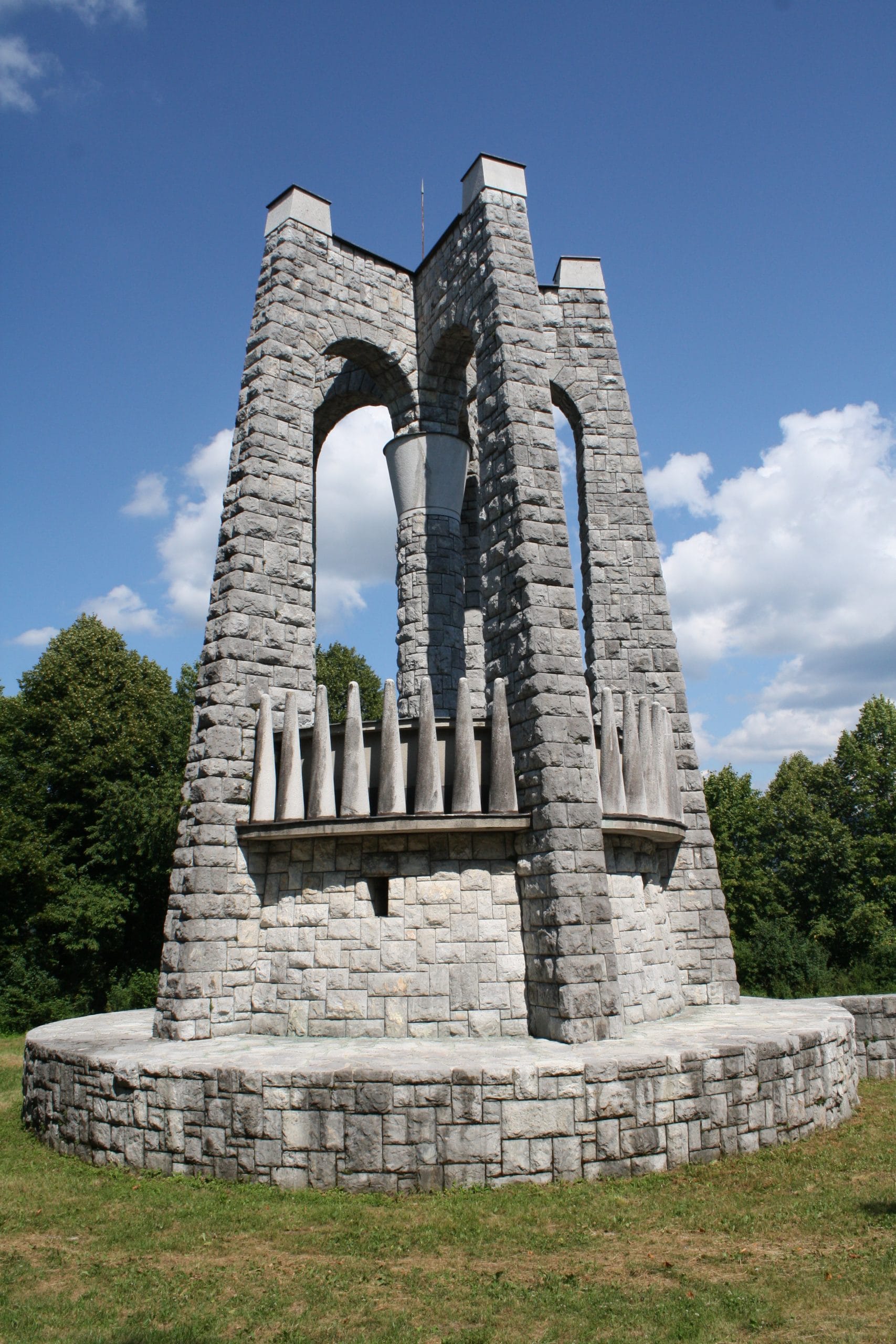
Memorials
The Second World War cut bloodily into the lives of the inhabitants. Numerous memorials serve as reminders of the events from this period. At the top of Ulaka hill above Stari trg, a monumental monument with a tomb for those fallen in the National Liberation War was erected in 1953. Near Babno Polje, the Vražji vrtec Memorial Park is laid out, dedicated to the hostages who fell during the Second World War.
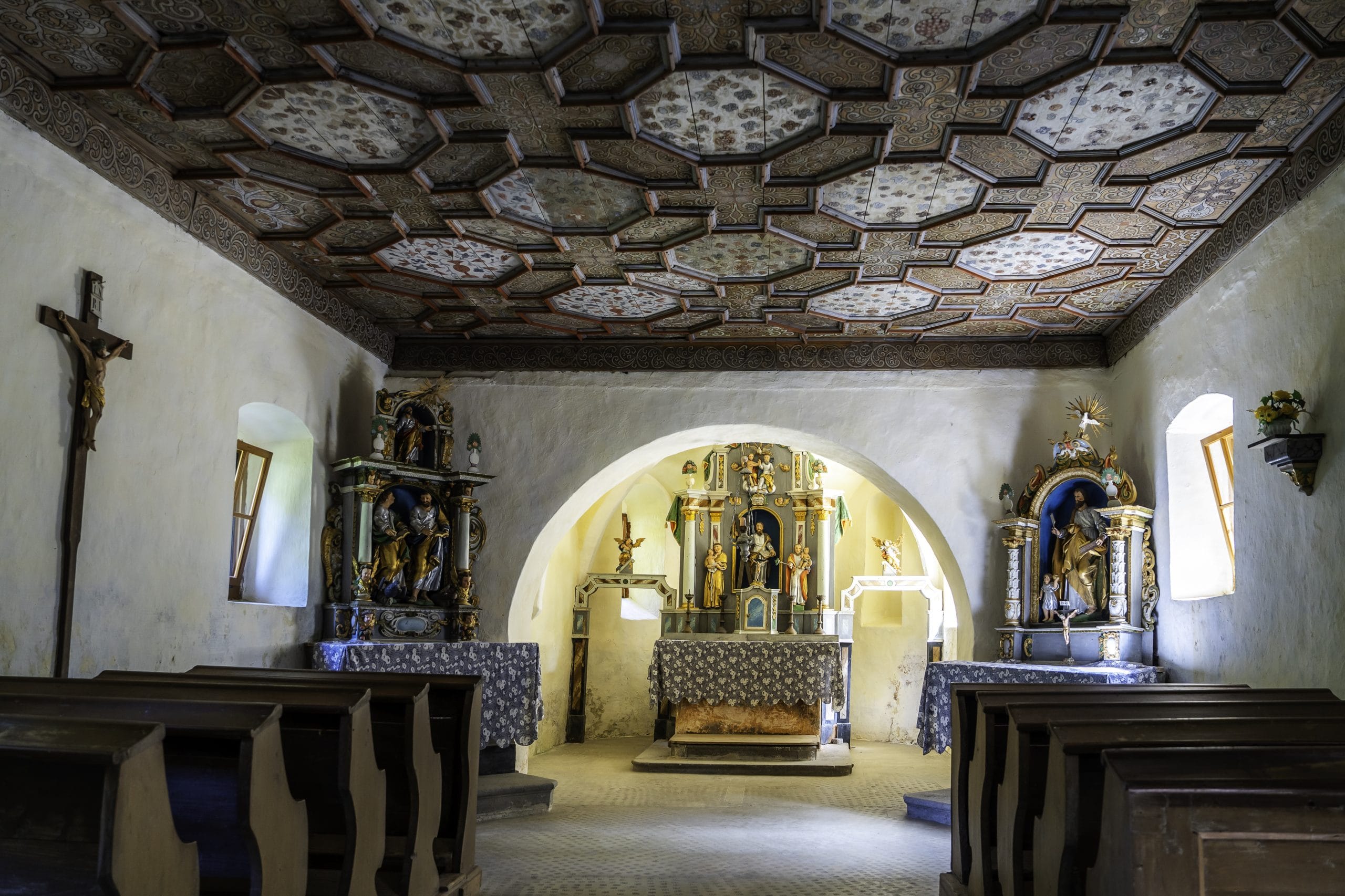
Beautiful sacral heritage
The Parish of Stari trg pri Ložu is a leader in the Slovenian region in terms of the number of sacral buildings. Almost every settlement built its own church or chapel. The parish thus contains 22 churches and 3 chapels, as well as numerous smaller shrines and crucifixes. As an original parish (prafara), it existed as early as the 12th century and was named after Lož until 1831, although its seat was always in Stari trg.

The central parish church in Stari trg
Dedicated to St George, it has a Romanesque three-nave design and a Baroque appearance from the mid-18th century. The bell tower is separate from the church and served as a fortification during the Turkish raids. The church is first mentioned in written sources in 1221.

Church of St Gertrude in Nadlesk
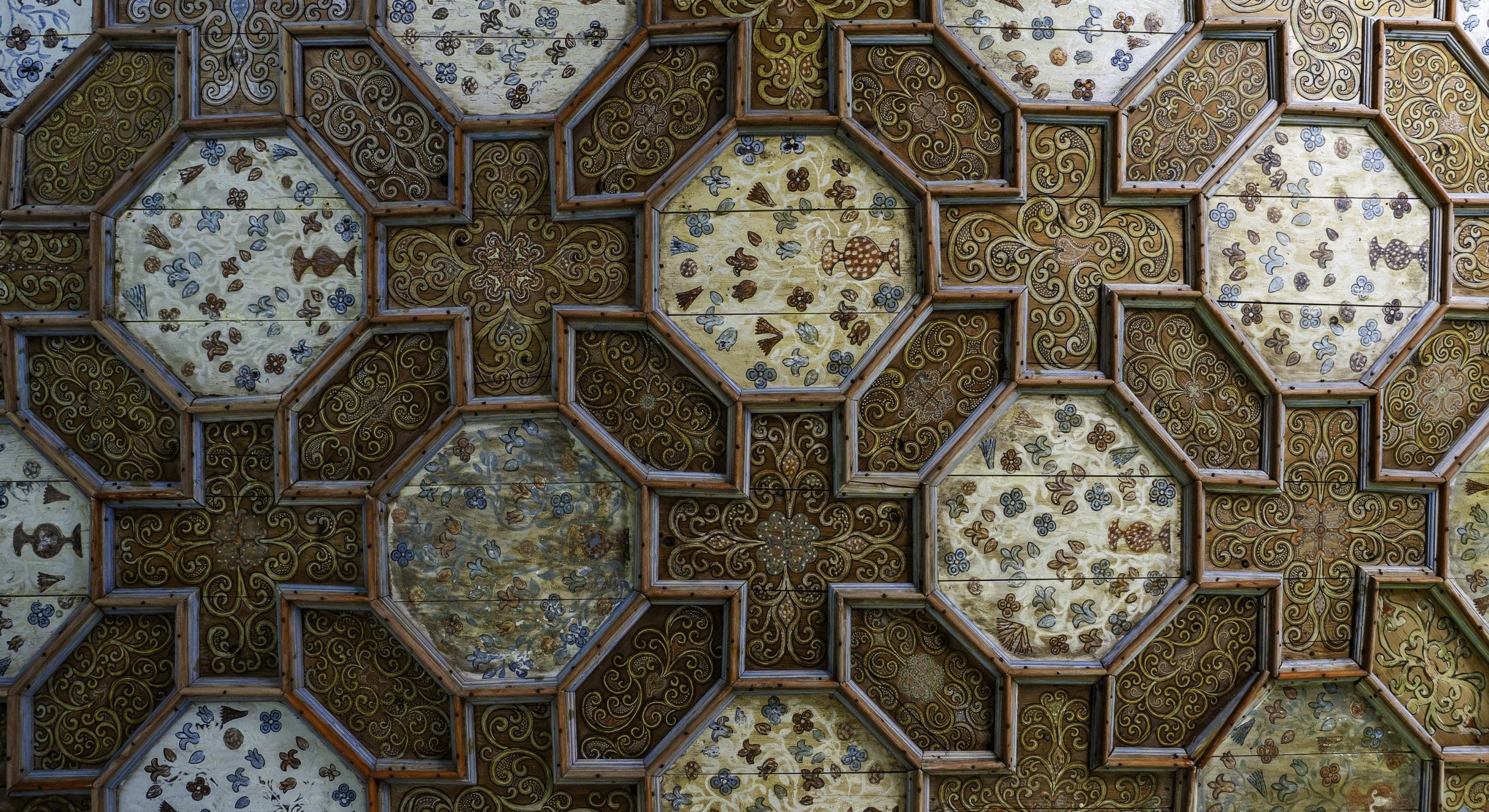
An invaluable cultural and historical monument is the Church of St Gertrude in Nadlesk. Its greatest attractions are the frescoes by Master Tomaž of Senj from 1511 and a wooden head of John the Baptist from the 13th century. With its perfectly preserved wooden ceiling, choir loft, and three golden altars, it is one of the most atmospherically effective rural churches from the period between the Gothic and Baroque.

Church of the Holy Cross on Križna gora
The pilgrimage Church of the Holy Cross on Križna gora, whose origins are said to date back to the time of the Crusades, became a popular pilgrimage site after 1743, when the Stations of the Cross chapels were erected on the hillside. Its art-historical value is primarily due to the altar paintings with Passion motifs, the work of the Slovenian Baroque master Fortunat Bergant.

Church of the Assumption of Mary in Viševek
In the Church of the Assumption of Mary in Viševek, built in the mid-17th century, the main altar stands out with its depiction of the Assumption of Mary, which completely dominates the church space with its Baroque gilding and picturesqueness. Also of interest is the wooden choir with a coffered and painted underside, which houses one of the oldest organs in the Archdiocese of Ljubljana – dating from 1733.

Church of St Nicholas in Babno Polje
Church of St Nicholas in Babno Polje was built in 1796, replacing an older church that stood on the site of the original settlement. It was originally a branch of the Stari trg parish, but at the request of the Babno Polje faithful, an independent localia of Babno Polje was established in 1829. In 1830, the people of Babno Polje also built a rectory for their priests. In January 2026, the parish was dissolved, and the former parish church of St. Nicholas became a branch church of the Stari trg pri Ložu parish.