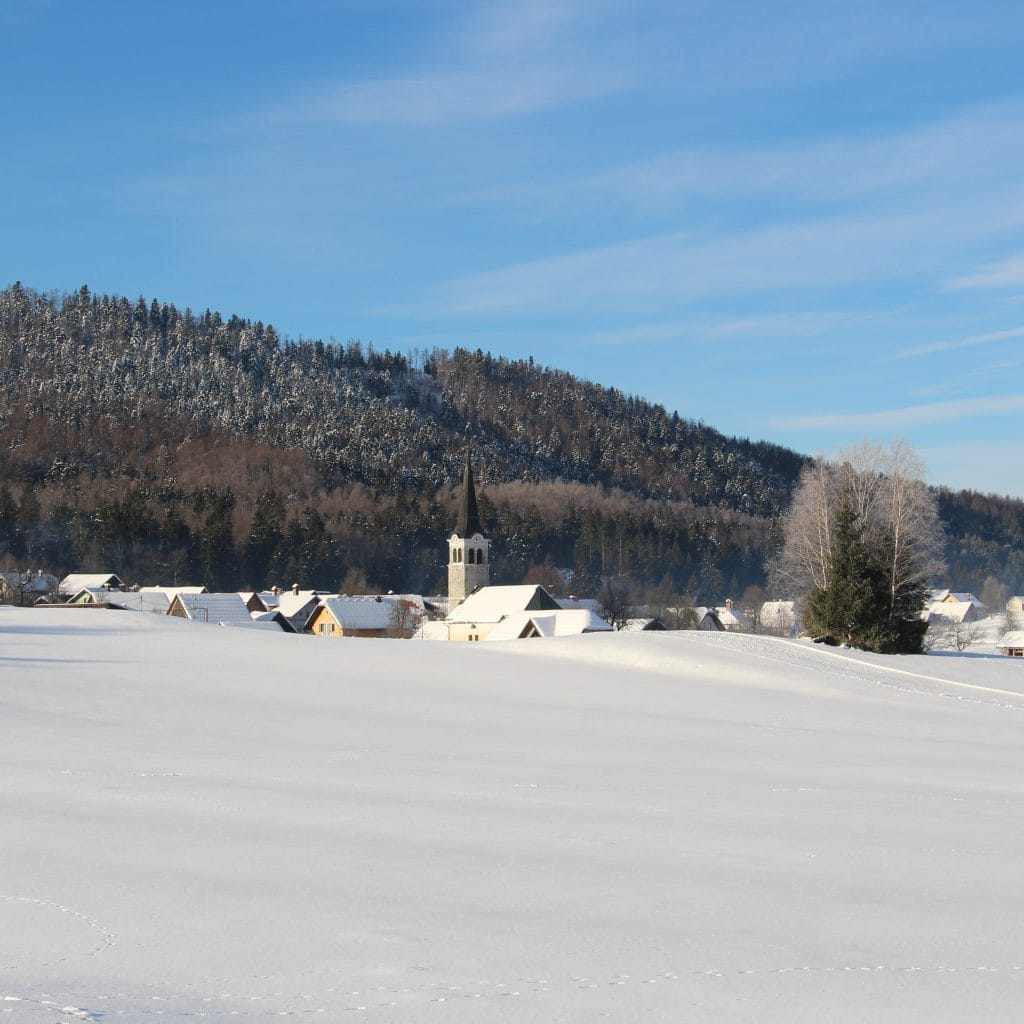
Babno Polje – the Slovenian Siberia
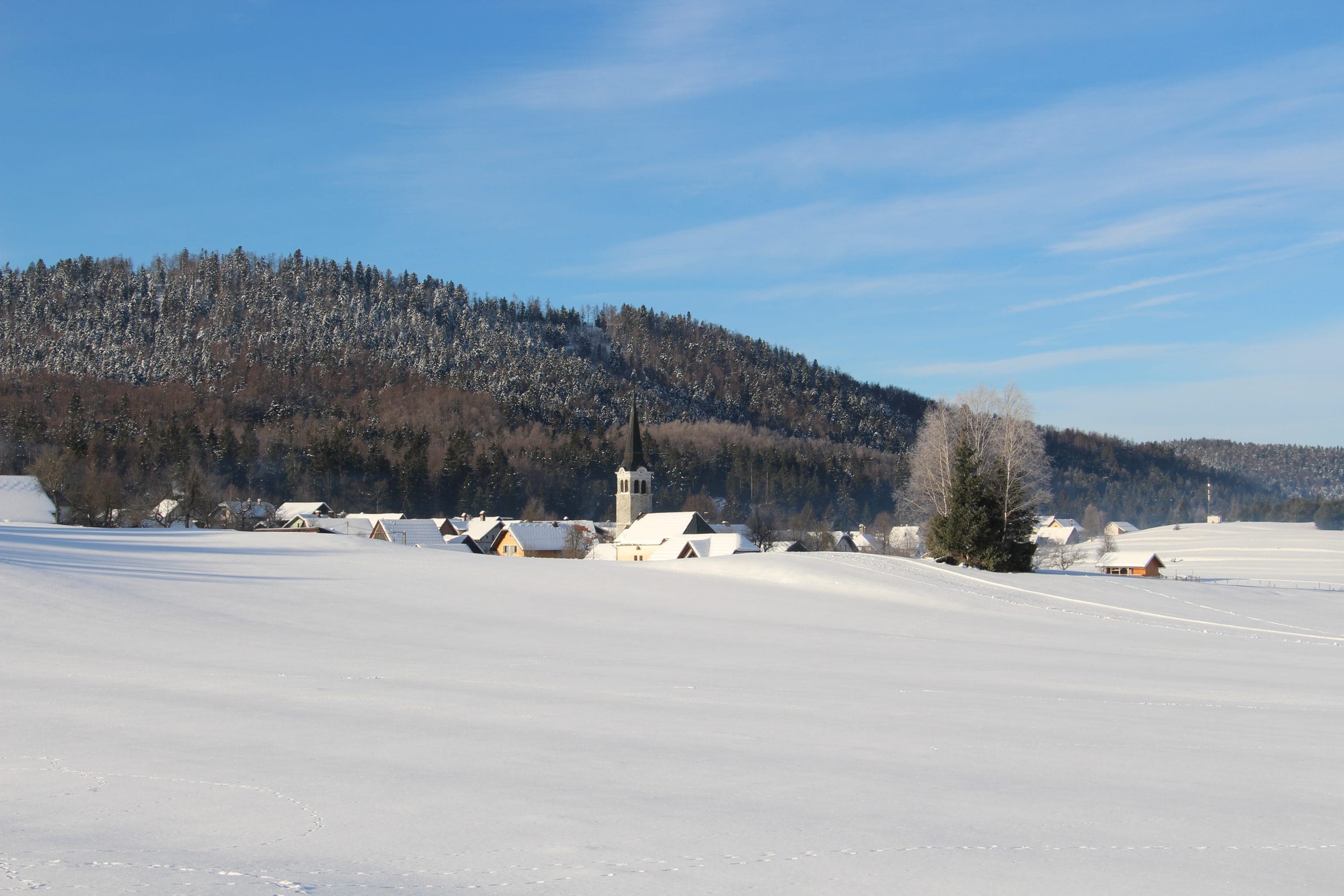
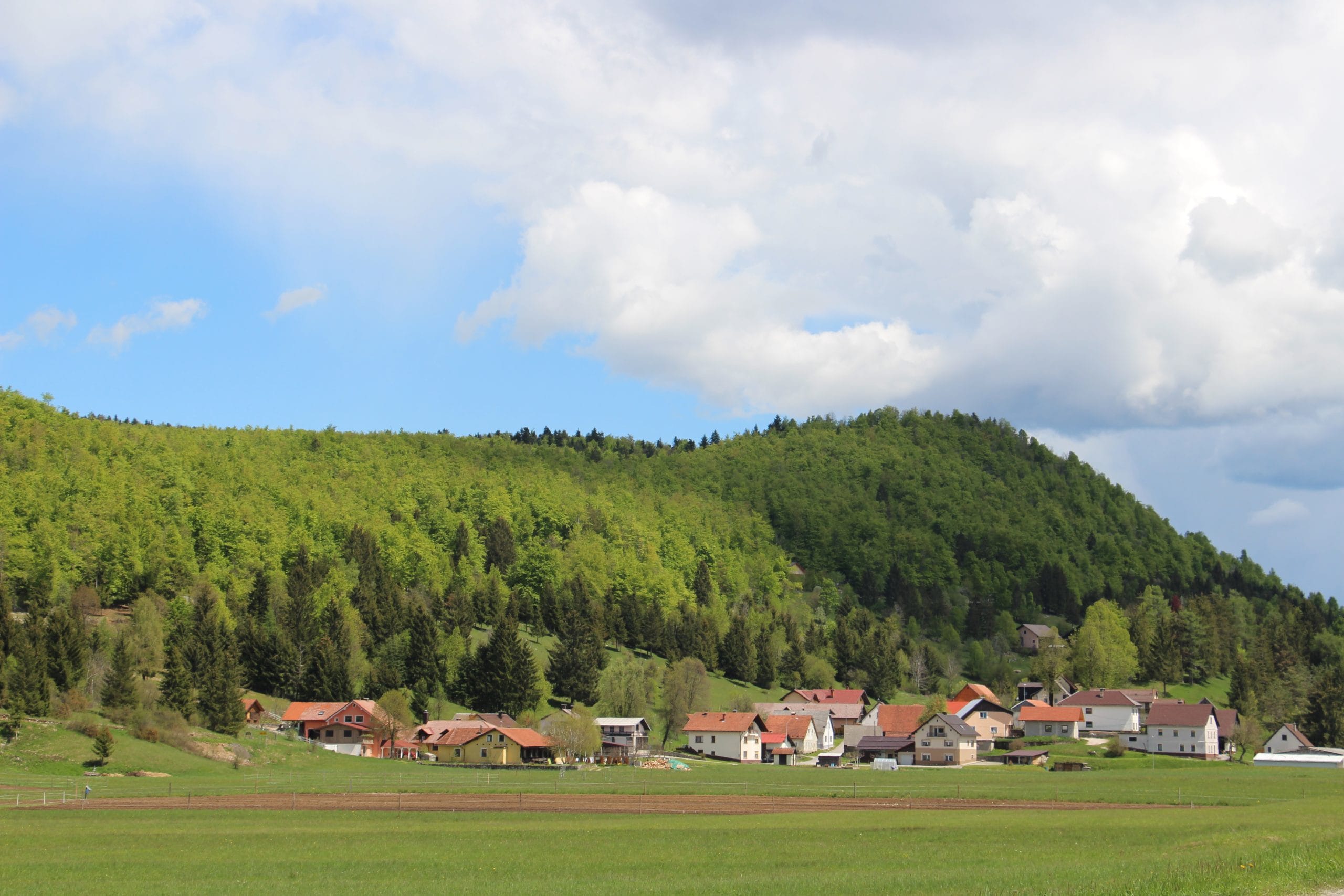
Babno Polje is the highest-lying karst field of the Inner Carniola basin, stretching along the eastern edge of the Javorniki Hills. The waters of the river of seven names – the Ljubljanica – flow through it. It is a characteristic karst field with permeable soil, sinkholes, and a typical frost hollow, as cold air settles in the valley, particularly during the winter months. It is therefore not surprising that the settlement of the same name, Babno Polje, is known as the coldest permanently inhabited place in Slovenia, where the lowest official temperature of -36.4 °C was recorded. The place has thus earned the nickname ‘the Slovenian Siberia’.
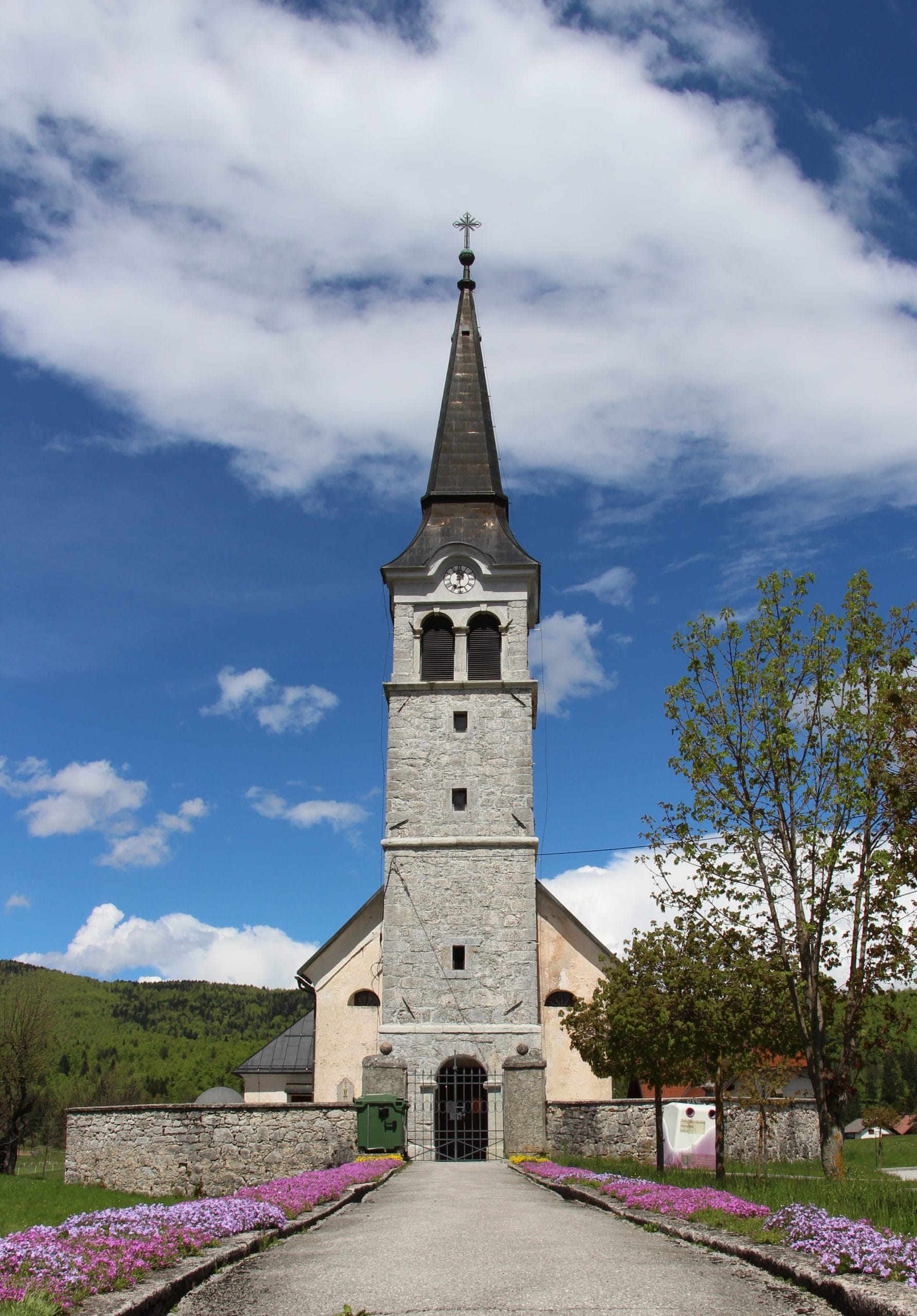
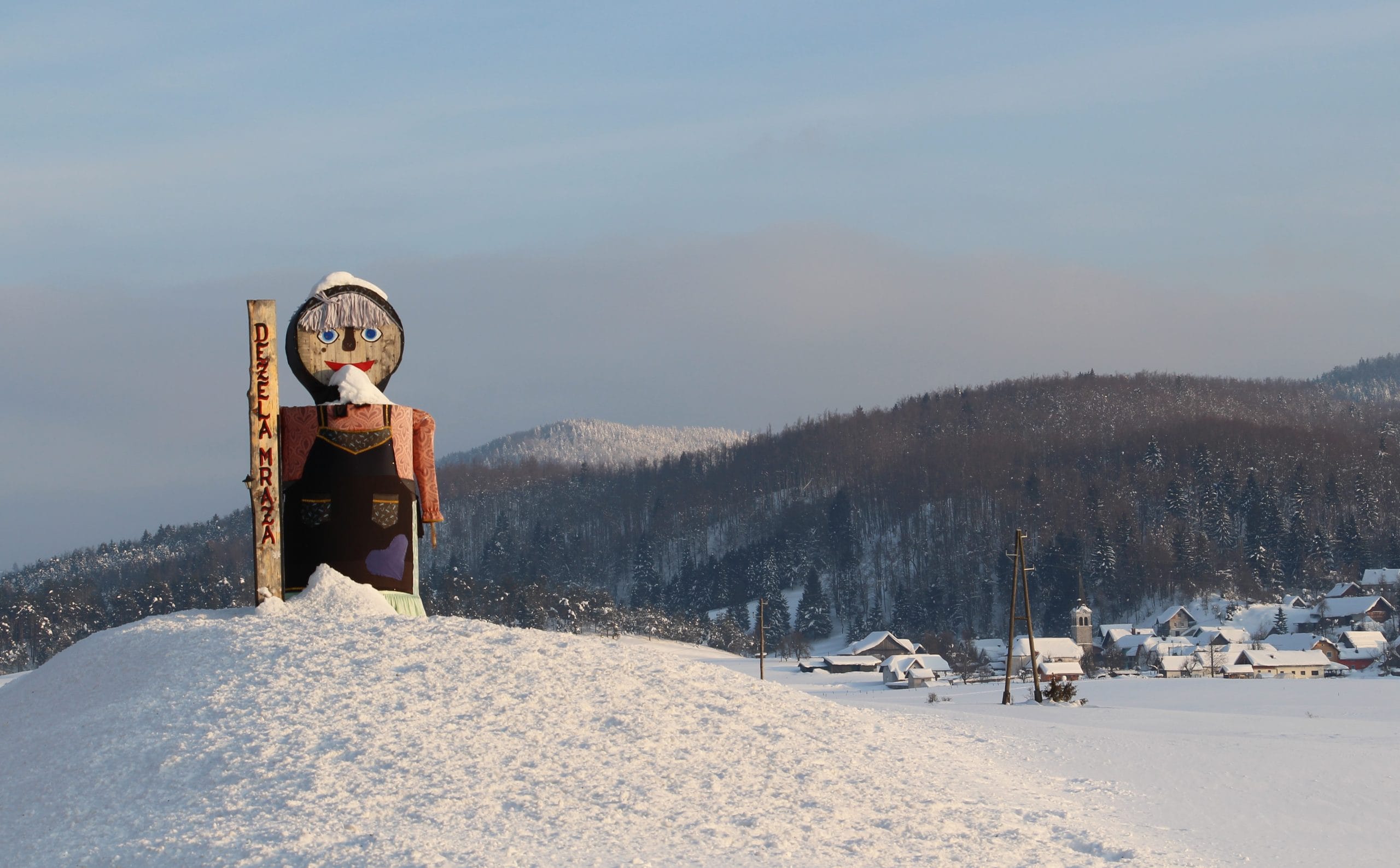
According to folk tradition, the place was named after a ‘baba’ (old woman) who hid in manure during a Turkish raid and was the only villager to survive. Historical sources, however, confirm that the name Babno Polje existed even before the arrival of the Turks. Regardless of the origin of the name, visitors are greeted upon entering the village by the large Babno Polje Baba, erected by the locals, while the patron St Nicholas, to whom the parish church is dedicated, watches over the residents.
Babno Polje lies right on the border with the Republic of Croatia, and the area has frequently served as a demarcation zone throughout history. This is evidenced by the remains of the Roman barrier wall Claustra Alpium Iuliarum (3rd–4th century) and a boundary stone that separated the Austrian and Hungarian parts of the Austro-Hungarian Monarchy (1867–1918).
From the Višivec viewpoint, a view opens up far across the border into Gorski Kotar. Numerous memorials commemorate the tragic events of the Second World War, including the Vražji vrtec memorial park and the monument to the Snežnik Slovenian Partisan War Hospital at Županov laz. In 1944, the so-called Čop Castle was also burned down, of which no trace remains today.
Babno Polje is a land of cold weather and warm people, as the place is often described by local resident and tourist guide Alenka Veber, whom you can visit at the Rihtar Homestead. In her company or on your own, you can explore the village and chat with the hospitable locals.